

How to Use Communication to De-Escalate Tense Moments
Bradford R. GlaserWe all have automatic reactions when tensions start to escalate. Your gut might tell you to raise your voice right back, or to double down on your position in the argument, or maybe you just shut down and pull away from it – they all feel natural in the heat of the moment. What actually happens is that you wind up in the same cycle over and over again.
The Louisville Metro Police Department ran a study on this exact issue – after they trained their officers on the tactical communication methods, confrontational incidents dropped by 28%. These same techniques apply just as well to performance conversations with an employee or to a heated disagreement with your spouse.
Boardrooms and living rooms – it doesn't matter where you are because the same strategy works in either place. Getting better at this will protect your professional standing, stop your relationships from falling apart and turn disagreements into productive outcomes instead of letting them explode.
The National Safety Council tracks workplace violence statistics, and their data shows something pretty concerning – workplace tension caused more than 20,000 assault-related injuries in 2020 alone! Recognizing the early warning signs and learning how to respond will stop conflicts way before they reach that breaking point.
Here's how the right words can turn tension into a productive conversation!
- Discover your communication style
- Flex your style for others
- Improve communication skills
Table of Contents
How Voice and Body Language Calm Others
Body language and tone of voice matter when a situation starts to escalate. Mirror neurons in our brain are what cause us to align with the energy and behavior of whoever we're talking to at the time. When the other person can see that you're calm and your posture is open and non-threatening, their body will start to calm down too. Your calmness bounces back onto them and helps to de-escalate the situation.
Nobody has to make this choice deliberately or know that it's happening. The cues from how you carry yourself get read by others, and the whole process happens automatically without anyone thinking about it.
Voice control is probably one of the best places to start for de-escalating a tense situation. Lower your volume just a notch and slow down how fast you're speaking. That simple move creates more space in the conversation and gives everyone a chance to actually breathe and reset. Talking fast and loud only makes the situation more heated, and that's the last outcome you want when you're trying to calm them down.

Body language actually matters quite a bit here. Keep your arms uncrossed and make sure that your hands are visible at all times. One strategy that can help is to stand at a slight angle instead of squaring up directly in front of them. Small adjustments like these go a long way toward lowering the tension and making the interaction feel less threatening.
Hostage negotiators spend years training on what works when lives are on the line. One pattern comes up over and over in their work – how you sound when you speak can matter more than the words you're saying. You could say the right message and still make matters worse if your tone is off. We all know how to talk to someone who just rolled out of bed and can barely keep their eyes open. You keep your voice gentle and steady, and stay away from any sudden changes in volume or speed, and give them a minute to come around. This same strategy works for de-escalation, too – it brings the intensity of a tense situation down instead of keeping it elevated or making it spike even worse.
All the body language techniques I've covered so far are just setting you up for the conversation. The way you physically present yourself has a lot to do with whether the other person can even talk with you productively. What you actually say and how well you listen still matter quite a bit once you're in it. You can have calm body language. But that'll only get you halfway there if the words that come out of your mouth ruin it.
Use Words That Calm the Tension
Body language plays a big part in any tough conversation you'll have to have, and it's something you'll have to get right. But the words you choose can matter just as much once emotions start to escalate between you. Verbal validation is one of the most powerful tools available for these moments, and it can help bring the temperature back down much faster than most other techniques.
When tensions are running high, one of the best techniques is to acknowledge what the other person feels without actually agreeing with their position. These are two separate matters. Telling them "I can see that's frustrating for you" doesn't mean they're right or that you're going to give them what they want. All you're doing is letting them know that you see their feelings are genuine and they're upset.
Something interesting happens when you put a name to what a person feels. Studies on emotional labeling show that saying the emotion out loud can dial down its intensity for the person who's experiencing it. When they hear their feelings reflected back to them, it tends to settle down on the inside. That won't fix whatever problem is causing all this. But that's not the point anyway. What it does do is create a little bit of breathing room where the two of you can start to talk through what's going on.

The phrases that work best are the ones that just mirror what you're hearing back to them and keep any judgment out of it completely. Something like "It sounds like you feel unheard" or "I can see this matters quite a bit to you" can turn the whole conversation around in seconds. It's not where you should debate the facts or argue about who's right. What you're doing is showing them that their feelings count.
Don't try to solve the problem, and don't start defending yourself. There will be a time for that later. What matters most is to make sure that they feel like you actually get what they're going through, person to person.
This acknowledgment is what builds the foundation for everything else to work. It's only one part of what you'll need to do, though. What you actually do after you listen to them matters just as much as the way you listen to them.
Pick Words That Avoid Blame
A single phrase has the ability to change where an argument is headed. Just think about the difference between saying "you always ignore me" compared to "I feel unheard." The first one will probably escalate matters and make the situation worse, and the second option gives you a much better chance at a conversation that gets you to a resolution.
Relationship counselors have been studying this for years now, and their research backs up something that most of us probably sense is true. This happens because our brains process accusations very differently from how they process plain explanations.
When somebody hears the word "you" followed by a complaint or criticism, their brain immediately treats it like a personal attack. The natural reaction is to either get defensive and shut down or to fire back with criticism of their own. "I" statements work differently because they let you talk about your own feelings and experiences without turning them into blame or accusations. It's a small shift in how you phrase it. But it changes how the conversation plays out. The other person will hear what you're saying instead of spending the whole time mentally building their counterargument.

Absolute language can create real problems when you're trying to communicate well with someone else. Words like "always" and "never" almost never line up with reality (ironic, isn't it?). These extreme words back someone into a corner, and when that happens, they're going to want to defend themselves by proving you wrong. The phrase "You never help around here" is accusatory and way too extreme. Reframing it as something like "I need more help with the household tasks" will get you a way better response.
Judgmental words are going to cause you the same type of problems. Labeling someone as lazy, selfish or careless is likely to make the situation worse. These types of labels attack who they are instead of focusing on the behavior that's actually causing the issue. Once that happens, the conversation changes completely. They're not going to listen to your point anymore – they're just going to spend their energy defending their character.
Most of us can remember our last big argument well. Going back and counting every harsh word or insult that came out in just the first 60 seconds would probably reveal quite a few. Tension has that effect on us – when emotions run high, we reach for the strongest, most aggressive language our brains can access in the heat of the moment.
Even when you're careful about this, some conversations are still going to stall out completely. It's frustrating because everything else about the way you're communicating could be working well, and yet somehow you just cover the same points over and over, and it doesn't make any progress. When this happens, the best move is usually to pause everything and redirect your attention back to the end goal that you're trying to reach together.
Work Together on Shared Options
When two people get into an argument, a small mental change can make all the difference. Don't look at the disagreement as a fight where one person wins and the other one loses – try to see it as a problem that both of you are trying to solve together. Move away from the question of 'who's right here' and focus more on 'what actually works for both of us,' and the entire tone of the conversation will change.
Harvard's Program on Negotiation has published plenty of research on this exact issue, and they've found that disagreements usually de-escalate much faster when parties think about interests instead of positions. A position is what they demand in an argument – it's their stated stance on the issue. An interest is the reason behind that stance – the underlying motivation for why they care about the outcome.

When tensions start to rise, one of the best ways to pull a conversation back is to ask questions about what could work instead of focusing on positions. A question like " What would success look like for both of us?" or "What are you hoping to accomplish here?" can change the tone. It gives the other person space to explain what they're after without feeling like they need to defend themselves or keep arguing their point.
Another phrase that tends to work really well is to ask, ' Help me see what matters to you about this.' What this does is give them the space they need to actually tell you what's going on instead of forcing you to try and guess at it. You can start to look for an answer that takes care of the priorities that both of you actually care about.
This won't work every time. You'll have situations where you'll need to use a different strategy to get the job done.
How to Take the Right Break
When tempers flare and emotions run high, one of the smartest moves you can make is to just walk away from the conversation for a little while. Every fiber of your being wants to hash everything out and fix the problem right away – walking away is still the smarter move. A temporary break usually accomplishes far more than any words you might force out in the heat of the argument. Plenty of studies have found this, and the findings support what most of us have learned through trial and error.
When emotions get intense enough, your brain goes into something called emotional flooding. Your amygdala (the emotional center of your brain) takes over and shuts down the parts that are responsible for rational thought. Being skilled at communication and conflict resolution won't help you much when the other person's brain is flooded like this.
A pause can really help here, and the better news is that it doesn't have to make anyone feel brushed aside or ignored. What matters is that they know you still care about what they're saying and will finish the conversation. Something along the lines of "This matters enough to talk about when we're at our best" tends to work well, or maybe "I want to give this the attention it deserves, so let's take a break and come back to it later."

Once stress hormones enter your bloodstream, your body needs at least 20 minutes to calm back down and return to normal, which is a long time. A quick trip to the bathroom or a few deep breaths won't cut it. What you actually need is genuine time away from the situation.
Walking away from a heated argument gives both of you some breathing room to work through it again. It's more like hitting pause instead of stop.
Take the Next Step Forward
Tense moments are going to pop up in every workplace and every relationship – it's just part of working with others. We all come from different backgrounds, and we all have our own perspectives. Sometimes those perspectives just don't line up, and when that happens, conflict is going to follow. You can't skip it, no matter how much you might want to. How you handle those moments when they do arrive makes the difference between a productive conversation and a total disaster.
This skill doesn't need a master's degree or years of extra training. Like anything else worth doing, it gets better with practice, and practice can come from anywhere – a disagreement over dinner plans, a tense conversation with a coworker or a minor argument with a neighbor. At first, it's going to feel awkward and uncomfortable in those heated moments when your emotions are running wild and your brain just wants to respond right then. After you do it a few times, though, the discomfort fades. The habit of pausing before you speak turns into second nature. Tension is easier to spot before it escalates. And your words start to lean toward the language that de-escalates instead of making it worse.

Each time you manage to defuse a tense situation, you build something much bigger than just that one resolved issue. Trust starts to accumulate among everyone involved, and it carries forward into the next interaction and the ones that come after it. Problems start to surface earlier in the process, well before they have time to turn into big conflicts. The whole pattern changes, and it prevents lots of future tension before it can even start.
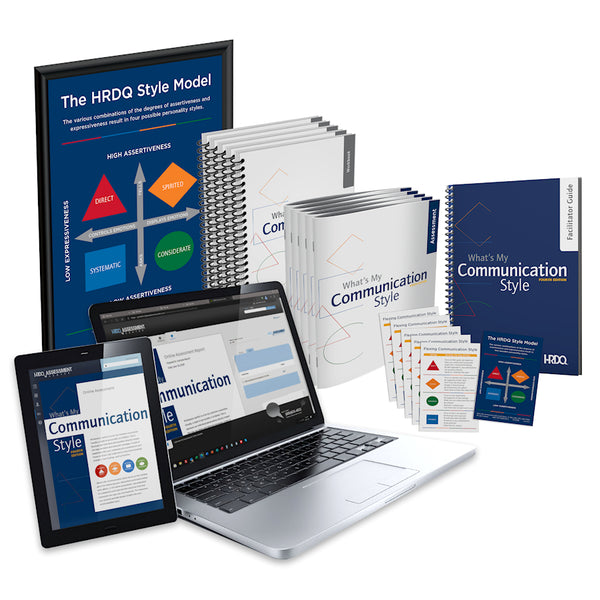
At HRDQ, we have an assessment called What's My Communication Style that breaks down how you usually respond when the pressure is on, and it'll take you around 10 minutes from start to finish. It walks you through your communication patterns during conflict and teaches you how to work well with colleagues who work differently from you. It comes with workshops and practical tools so you can take what you discover and actually use it to cut down on tension and build stronger relationships with your entire team.
For more resources on effective communication, take a look at the following posts: